
Bangladesh Bank Plans AI-Based Cybersecurity Policy as Digital Banking Risks Grow
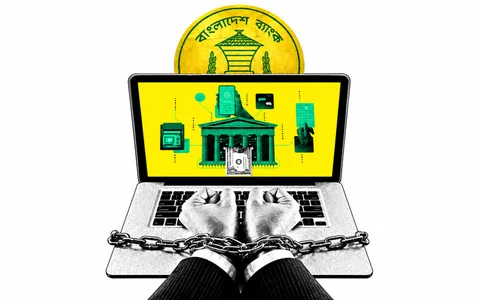
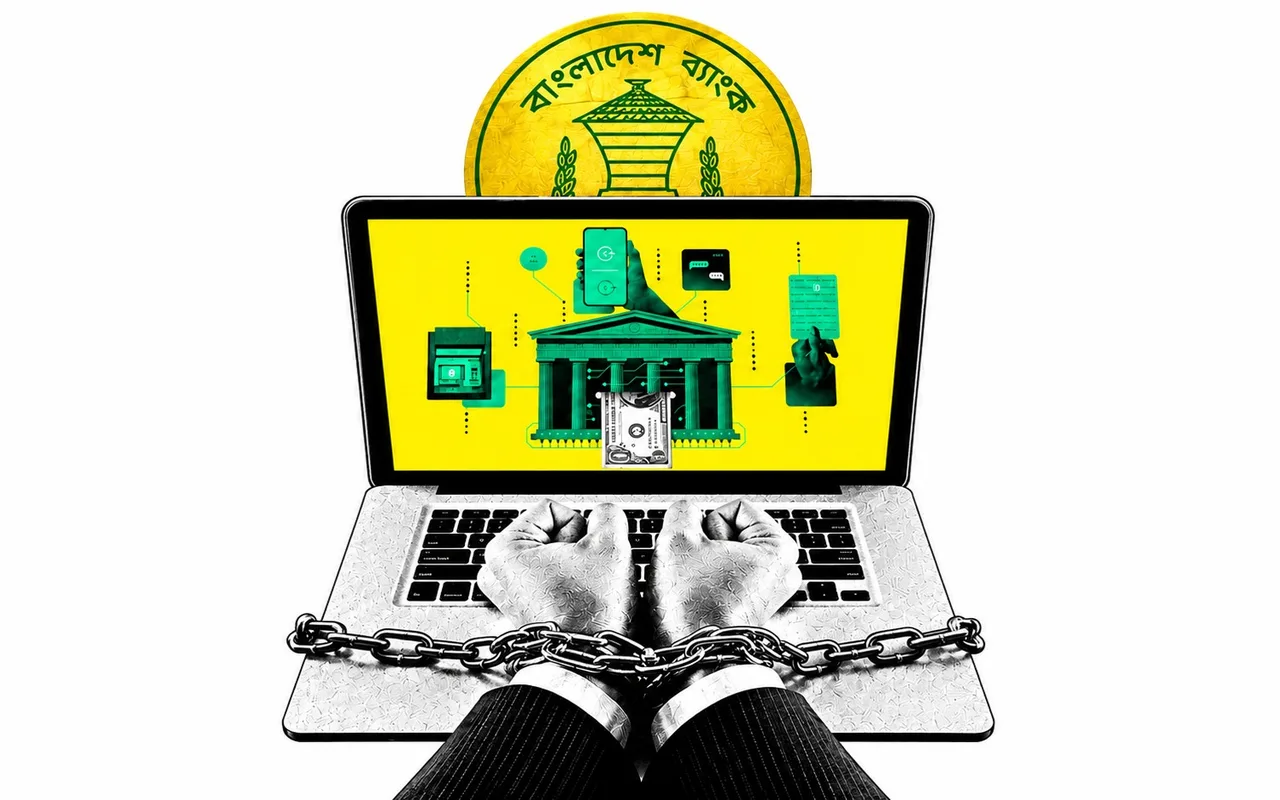
Bangladesh Bank plans AI-based cybersecurity policy to help banks and financial institutions bolster defences against rising digital-banking threats.
At a glance
- Bangladesh Bank has formed a committee of government officials, central bank representatives, academics, private-sector representatives and IT experts to draft the policy. Its detailed provisions and release date have not yet been announced.
- The policy is expected to guide banks and financial institutions on upgrading their technology, detecting threats and responding to increasingly sophisticated cyberattacks.
- AI can help identify suspicious activities, but criminals can also use it to create convincing scam messages and impersonate trusted individuals or organisations. The proposed policy aims to address this changing risk environment.
Context
The initiative builds on Bangladesh Bank’s existing Cybersecurity Framework, issued on March 29. Banks and other regulated financial service providers have until December 31, 2026, to implement it. The framework covers protecting systems, identifying threats, responding to attacks and restoring services, alongside staff training and oversight of outside technology providers. The proposed AI-based policy adds another layer to that effort.
Why It Matters
Bangladeshi banks are adopting new digital services to meet customers’ growing demand. As more financial services move online, weaknesses in these systems can expose sensitive customer information and put their money at risk during a cyberattack. Bangladesh has already experienced several cyber thefts, including the 2016 Bangladesh Bank heist. The latest PHP security alert highlights the continuing threats.
What We Think
A policy alone cannot deliver security without enough skilled professionals and employees who understand how to apply it. Regular training at all levels can help technical teams and decision-makers stay aligned as systems evolve. The 2016 Bangladesh Bank heist illustrates how weak security controls and gaps in staff awareness can contribute to serious financial losses.