
Gen Z Takes to Streets in 34 German Cities Against Education Cuts and Military Spending
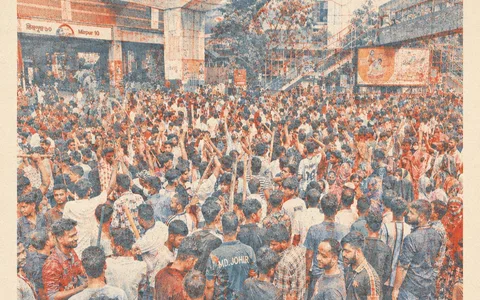
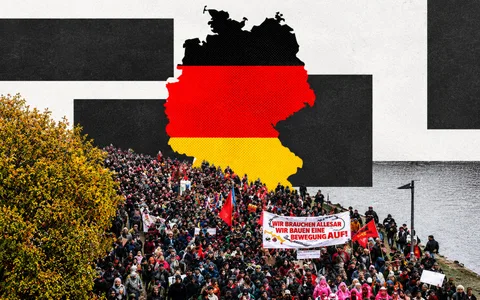
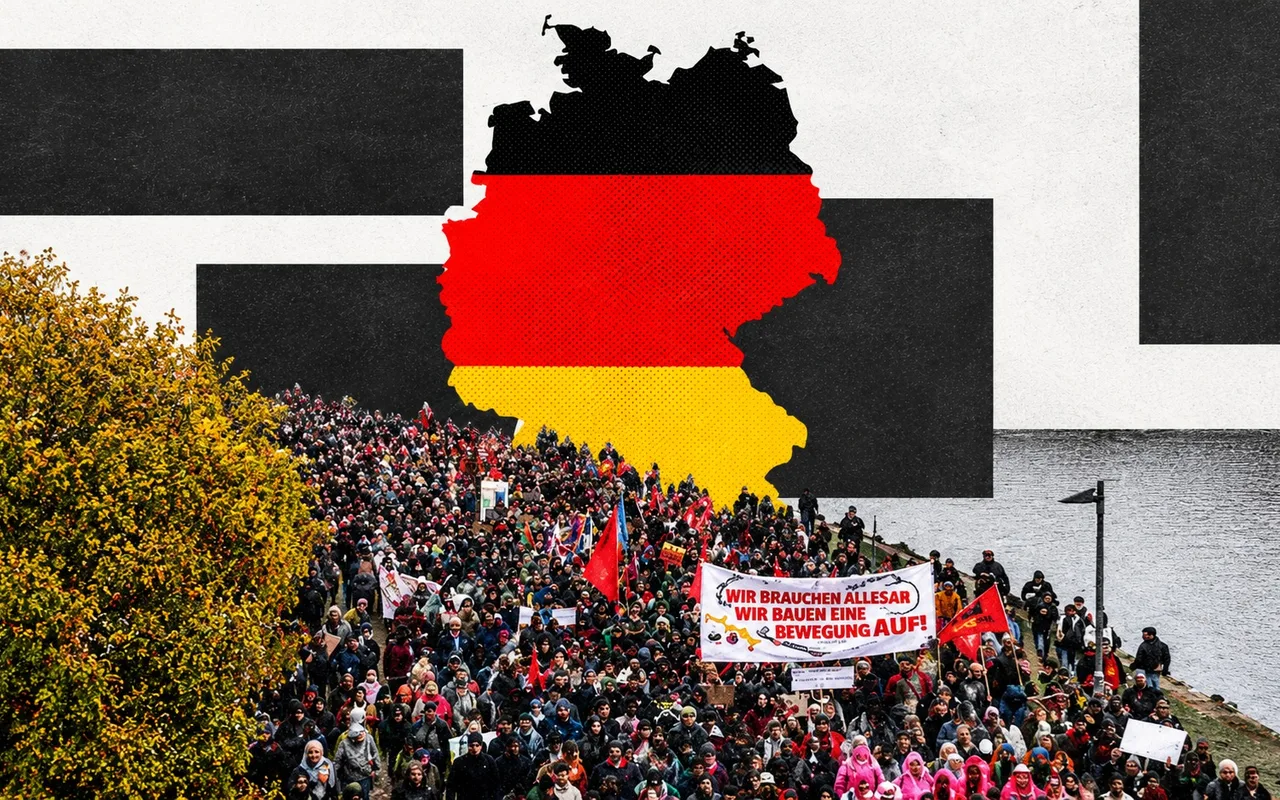
Over 100,000 people in 34 German cities protested with Gen Z Regelt against cuts to education and social services, rising costs and military spending.
At a glance
- More than 100,000 people took to the streets in Berlin and 30 other German cities on October 31, with protests organised by Gen Z Regelt, a loose alliance campaigning on six issues, including education and social services cuts, rising living costs and compulsory military service.
- Students accused Chancellor Friedrich Merz's government of prioritising military spending while universities face funding shortages, deteriorating facilities and staff cuts, forcing many students to work part-time alongside their studies.
- Protesters also criticised Germany's continued financial support for Israel amid its genocide in Gaza while funding for domestic services is being reduced.
- The demonstrations are part of a wider wave of youth-led movements across Europe, including France's education protests, now entering their third week, and Serbia's student movement, which helped oust populist President Aleksandar Vučić after two years of protests.
Context
The frustration among German students has been mounting for months. In June, students held protests demanding reforms to the Federal Training Assistance Act (BAföG), which is supposed to ensure that anyone, irrespective of their social background, can study full-time. However, around two-thirds of German students already work to finance their studies, while more than a third are at risk of poverty. Federal Research Minister Dorothee Bär dismissed calls for increased support, describing students as "very privileged" and arguing that taking on part-time work was beneficial for their careers.
Germany's economic difficulties have added to the pressure. When Merz came to power in early 2025, some of his key election promises included reviving the country's economy, which has remained in a sustained slump since the start of the Ukraine war in 2022, despite Germany being Europe's largest economy. Yet Germany remains the largest single donor to Ukraine and the biggest net payer into the EU budget, while students are struggling to keep up with rising living costs and deteriorating university facilities.
Merz, chairman of the conservative Christian Democratic Union (CDU), has also suffered a sharp decline in public support. After just over 16 months in office, his popularity stands at 13%, the lowest rating recorded for any German chancellor since polling began. In September's regional elections, the CDU suffered major setbacks, failing to meet the 5% threshold to enter parliament in Mecklenburg-Vorpommern, while the much-criticised anti-immigration, nationalist Alternative for Germany (AfD) made significant gains.
Why It Matters
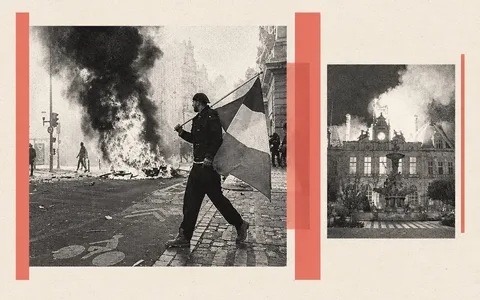
The protests are part of a larger wave of youth-led movements across Europe, with young people increasingly challenging governments over rising living costs, education funding and spending priorities. France has entered its third week of demonstrations demanding greater investment in education, while Serbia's Student List movement has helped bring an end to Aleksandar Vučić's presidency after two years of student-led protests.
These movements are taking place in different political contexts, but the youth in all these countries share growing frustration with governments that fail to address their economic and social concerns.
For Germany, these demonstrations also come at a time when traditional political parties are losing ground to both the left and the far right. Merz's CDU has suffered repeated electoral setbacks, while the AfD has made significant gains.
What We Think
For a country so accustomed to political stability, demonstrations of this scale are quite unusual and indicate growing frustration among younger generations with the government's priorities. Merz's government is facing students who are being forced to work part-time to afford their education while funding is being cut from the very services they depend on. The organisers have said they will continue their peaceful demonstrations until the government listens to their demands.
Meanwhile, it is possible that the government might lump the rioters who carried out the looting in Frankfurt and vandalism in other cities with the student movement. Though they involve people unaffiliated with the organisers, there is a risk that, as happened during the protests in France, legacy media will shift attention towards rioting and portray the wider demonstrations as violent. This could push the students' actual demands aside and provide grounds for a crackdown rather than a response to the issues that brought people onto the streets.