
PM Tarique Invites Japanese Investors for Rail, Energy and Tech Projects
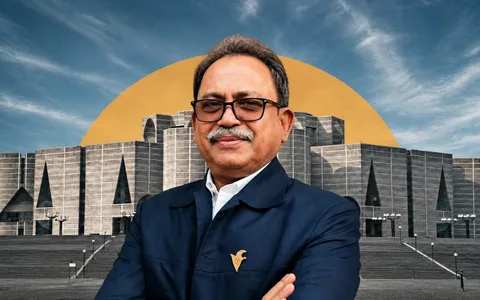
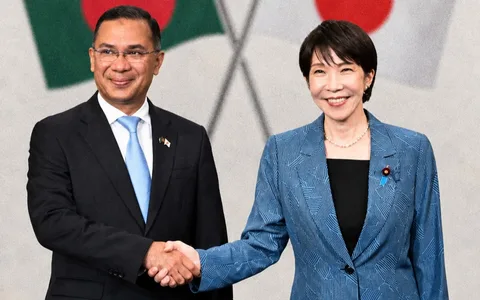
PM Tarique Rahman invited Japanese firms to invest in automotive, energy, tech, high-speed rail and agro-processing, pledging reforms to ease hurdles.
At a glance
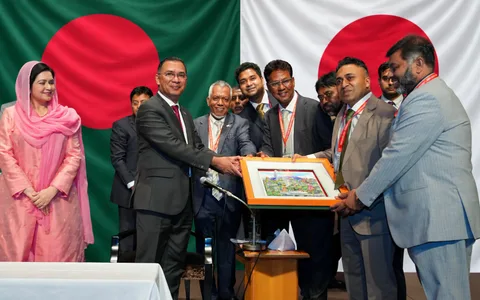
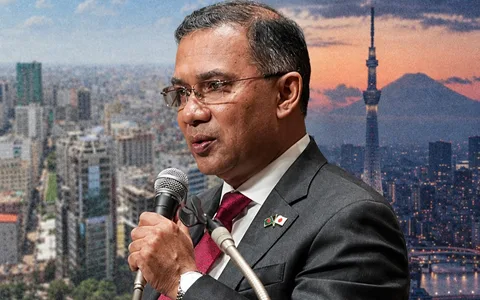
- PM Tarique Rahman outlined the investment priorities at the Bangladesh-Japan Economic Forum Dialogue at JETRO headquarters on October 28. JETRO and the Japan-Bangladesh Committee for Commercial and Economic Cooperation organised the forum.
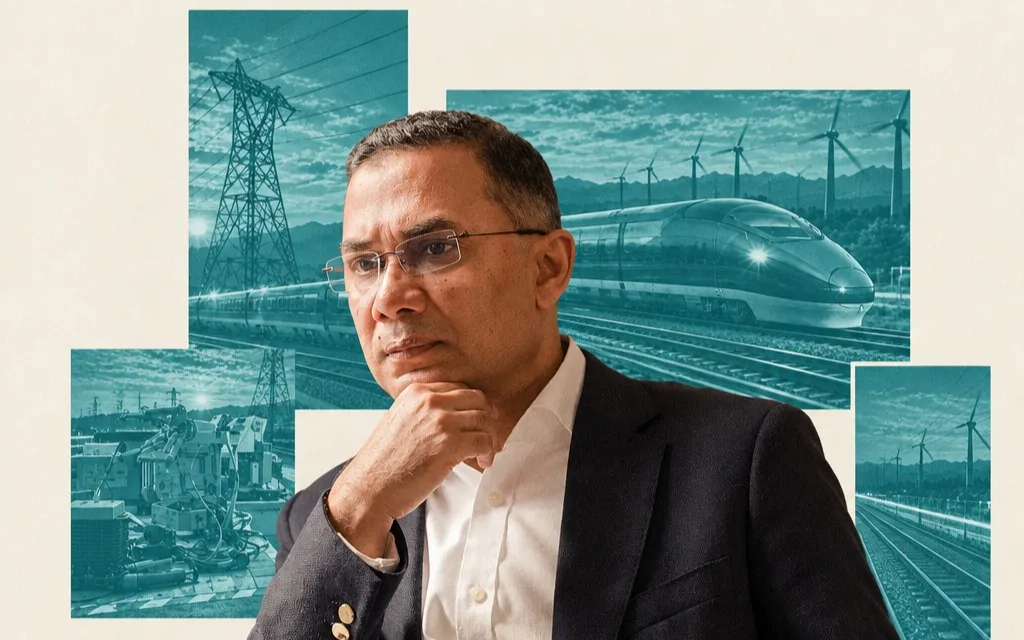
- The five sectors are automotive manufacturing, energy, technology and space, high-speed rail and logistics, and agro-processing.
- Tarique said about 350 Japanese companies operate in Bangladesh, but Japanese investment remains below $500 million. In the last fiscal year, Bangladesh exported $1.36 billion in goods to Japan and imported $2.16 billion.
- He said the Bangladesh-Japan Economic Partnership Agreement gives 7,379 Bangladeshi products duty-free access to Japan.
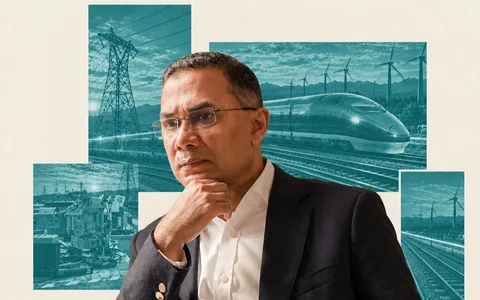
- He also cited Toyota’s plan to begin work on a vehicle factory in Bangladesh, with full production targeted for 2029, and proposed Japanese cooperation on a national high-speed rail plan and a Bangladesh-Japan technology park.
Context
PM’s investment pitch comes during his official visit to Japan, where trade, energy and infrastructure cooperation are central to discussions. At the forum, he said the government had heard Japanese companies’ concerns about reliable energy, efficient infrastructure, predictable customs clearance and taxation, and was working on reforms.
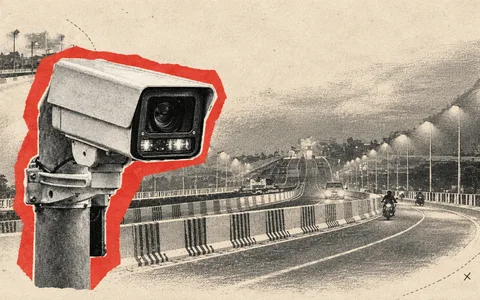
The proposed projects range from LNG infrastructure and renewable energy to AI, cloud computing, robotics, electronics manufacturing and a nationwide elevated rail network linking six major cities. PM Tarique Rahman also pointed to the Bangladesh Special Economic Zone in Araihazar, developed by Sumitomo Corporation, as a site for food processing and agro-based manufacturing.
Why It Matters
Japanese investment may help Bangladesh to expand manufacturing, create skilled jobs and bring new technology into local industries. But the concerns raised at the forum about reliable energy, efficient infrastructure and predictable customs and taxation may also shape whether companies invest, expand or look elsewhere.
Moreover, the range of proposals like a vehicle factory, a technology park and a nationwide high-speed rail network require different levels of funding, preparation and infrastructure. An invitation to invest is a starting point, not confirmation that these projects will go ahead.
What We Think
Bangladesh has heard what Japanese companies need. The next step is to show what changes, who delivers it and by when.
Reliable power and predictable rules may attract fewer headlines than high-speed rail, but they are what make investment possible.
Proposed projects require assessment based on their costs, feasibility and benefits for Bangladesh, especially jobs, local suppliers and skills. The priority is delivery, not the size of the pitch.