
Who Gave Them a Licence to Humiliate?
Editorial: Calls for police and media accountability after footage from the Purbachal raid exposed detainees to public humiliation.
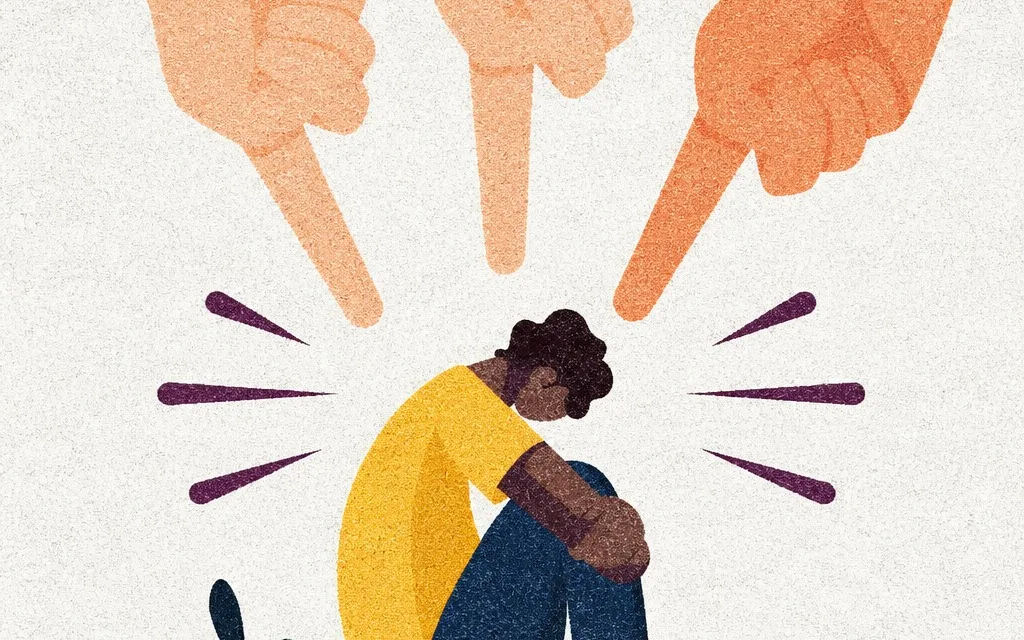
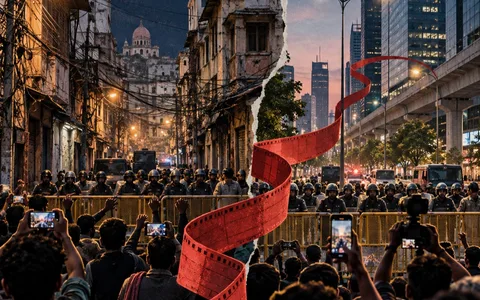
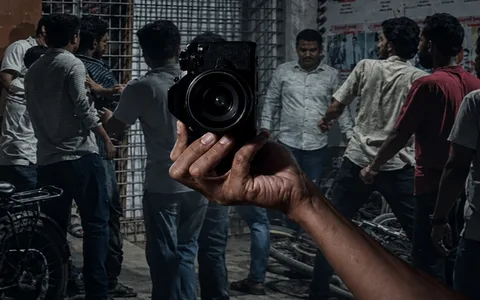
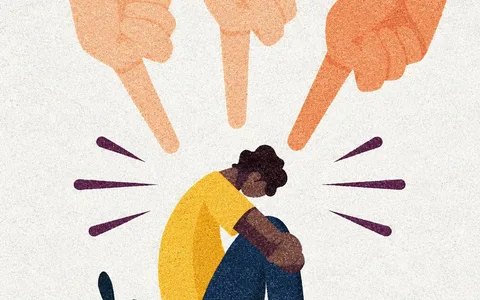
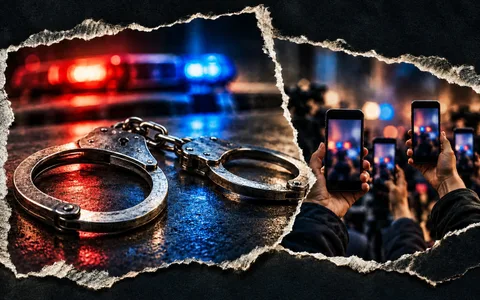
A person is detained. A camera moves towards their face. They turn away. The camera follows. By evening, strangers are discussing their clothes, their character and what their family must be thinking.
What, exactly, has the public learned? And who decided that an arrest should come with a public humiliation?
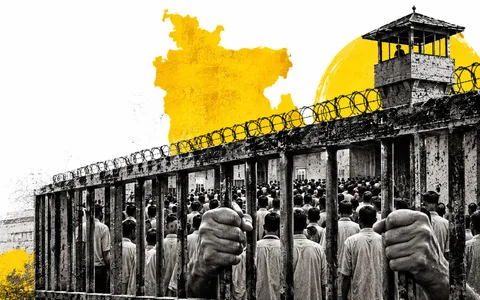
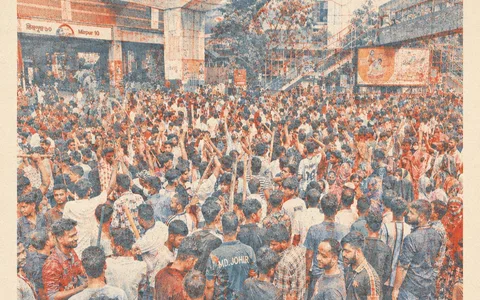
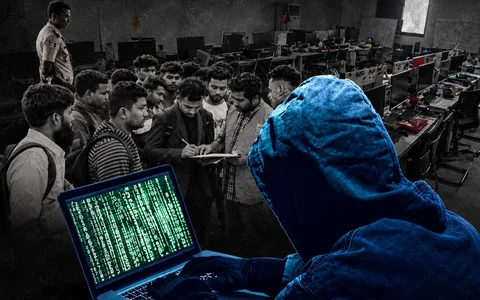
The Purbachal raid demands answers from both the police and the media. Following the detention of 85 people, footage circulated across news outlets and social media. Reports carried details of jobs, education and families. Audiences received enough information to recognise people and pass judgment. Much less attention went to what had actually been established against each individual.
There was a legitimate story: a police raid, alleged drug offences, arrests and subsequent legal proceedings. There were serious questions to investigate. Instead, too much coverage invited the public to inspect the detainees rather than examine the operation.
The police must answer for their part.
Taking someone into custody creates a responsibility for their treatment. It does not create permission to expose them to ridicule.
Officers control the scene, access to detainees and the conditions under which cameras operate. They cannot treat what happens in that controlled space as somebody else’s problem.
Recording an operation for evidence is one thing. Allowing identifiable detainees to become a public spectacle is another. The first can establish what officers found and how they behaved. The second requires a justification that “we were conducting a raid” does not provide.
Who recorded the footage? Who permitted access? Who released it? Were detainees pressured to show their faces? These questions need clear answers, not an assurance that procedures will be reviewed.
The DB chief has said officers were instructed not to take journalists on raids and to protect detainees’ identities. That makes accountability more urgent, not less. An instruction matters only if officers follow it and breaches carry consequences.
Nor should the cameras distract from the legal questions. What evidence linked each person to an offence? How was individual responsibility established? Were detainees able to consult lawyers and contest the allegations? The authorities should explain the grounds for the arrests and subsequent punishments through records that can withstand independent scrutiny.
A room full of people is not a substitute for individual evidence. Public disapproval of a party is not proof of a crime.
And even proven guilt would not justify degrading treatment.
Dignity is not a privilege reserved for people the police decide are innocent.
The media’s responsibility is equally clear.
Someone selected the footage. Someone approved the caption. Someone decided that viewers needed to see a person trying not to be seen. The camera did not make those choices. Editors did.
What did naming someone’s university establish? What did mentioning their father prove? Why was their workplace relevant?
An arrest gives a newsroom something to investigate. It does not give it ownership of the arrested person’s life. Yet the formula is familiar: show the face, name the workplace, mention the family. Add a suggestive headline. Let the comments section finish the job.
Then, if challenged, point to “alleged”.
But one careful word cannot rescue a reckless report. It cannot undo a lingering close-up or neutralise a caption that invites the audience to assume guilt.
The test is necessity. What does publishing this detail help the reader understand? Sometimes identification serves a clear public interest. Then explain the connection. “People will click” is not an editorial defence.
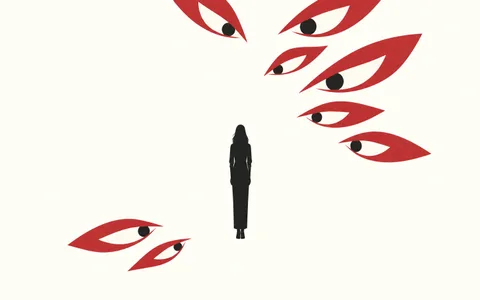
Editors also know what insinuations attach to women photographed at a party. They know how quickly an allegation becomes sexual speculation. A newsroom cannot invite that attention, benefit from the traffic and declare the consequences someone else’s responsibility.
Looking away is not a confession. Fear is not evidence. A detainee owes a journalist neither a performance nor an explanation on demand.
We would understand this immediately if the person shielding their face were someone we loved. Professional judgment should not require that connection.
“The police gave us the footage” is no defence. Neither is “everyone else published it”. Police material must be examined, not simply broadcast.
Both institutions now need to act. The police should preserve the recordings, investigate how detainees were exposed and account for their treatment. Newsrooms should remove irrelevant personal details, obscure faces where identification serves no clear public interest and acknowledge unfair coverage.
Neither task requires concealing an alleged offence. Both require taking responsibility.
The police should be establishing what happened. The media should be testing their account. When both turn towards the same frightened face, the scrutiny has gone in the wrong direction.
The power to arrest is not a licence to degrade. The right to report is not a licence to humiliate.