
India Defies Court Order on Indus Water Treaty
India rejects the Permanent Court of Arbitration ruling to honour the Indus Waters Treaty, calling the court illegal.
At a glance
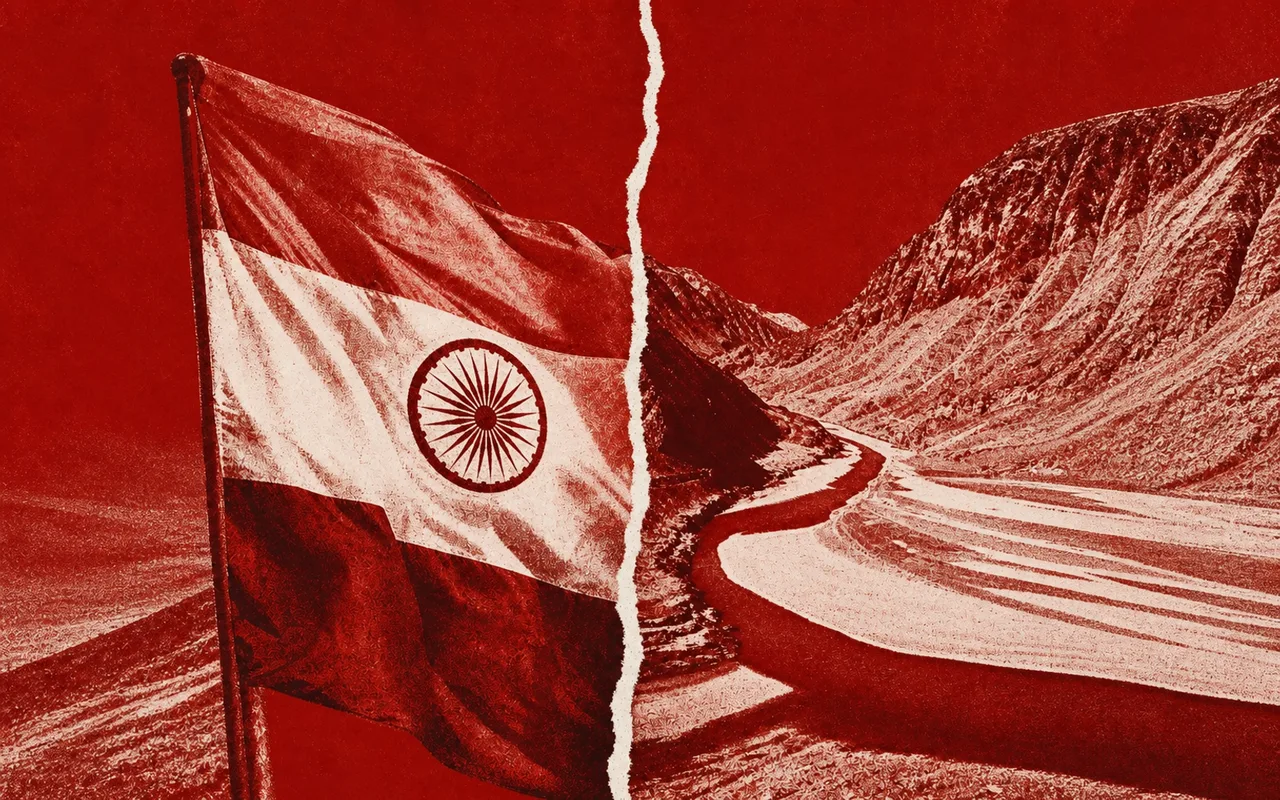
- The Permanent Court of Arbitration in The Hague ruled on August 31, 2026, that the Indus Waters Treaty “remains fully in force” and India had no legal grounds to suspend it.
- The tribunal also ordered India to stop further construction work on two hydroelectric projects, including the Ratle plant on the Chenab River.
- India rejected the ruling within hours, calling the tribunal “illegally constituted” and its award “null and void”.
- India’s foreign ministry said it has never recognised the Court of Arbitration and will not be bound by any of its decisions.
- This is the second such rejection this year, after India also dismissed a May 2026 PCA ruling on river “pondage” limits.
Context
India suspended the 1960 Indus Waters Treaty after the April 2025 Pahalgam terror attack in Kashmir killed 26 people. Pakistan took the dispute to the Permanent Court of Arbitration, arguing the suspension was illegal. The tribunal has now sided with Pakistan, but India refuses to accept the court’s authority, leaving the treaty’s legal status unresolved.
Why It Matters
This fight is really about whether powerful countries have to follow international rules at all. Pakistan needs this river water badly. It grows most of its food and generates much of its electricity using this water, so losing it would hurt Pakistan far more than it would hurt India. India is saying this isn’t just a pause. It wants a brand new deal, and it won’t talk until Pakistan stops supporting attacks on India. Pakistan’s leaders say messing with shared water could lead to serious trouble, and some officials have even hinted it could cause a war.
On top of the political fight, the river itself is under strain. Water flow in the Indus already drops 15% to 20% in peak summer months because of melting glaciers and unpredictable monsoons, showing that the treaty’s 60-year-old rules were never designed to handle a changing climate.
What We Think
India doesn’t really have a strong legal basis to pause the treaty, since the original deal doesn’t allow pausing it for security reasons. But nobody can force India to follow the ruling anyway.
The most worrying part is the bigger picture. The system that has kept peace over this river for over 60 years, through four wars, is now being weakened. Once one country decides treaties are optional, other countries might start thinking the same way.