
El Niño Could Retain Extreme Weather Risks High Into 2027
WMO says a strengthening El Niño could become very strong by late 2026, keeping risks of extreme heat, drought and heavy rainfall high into 2027.
At a glance
- The WMO says El Niño is already established and expected to strengthen further, with an almost 100% chance that it will continue through February 2027.
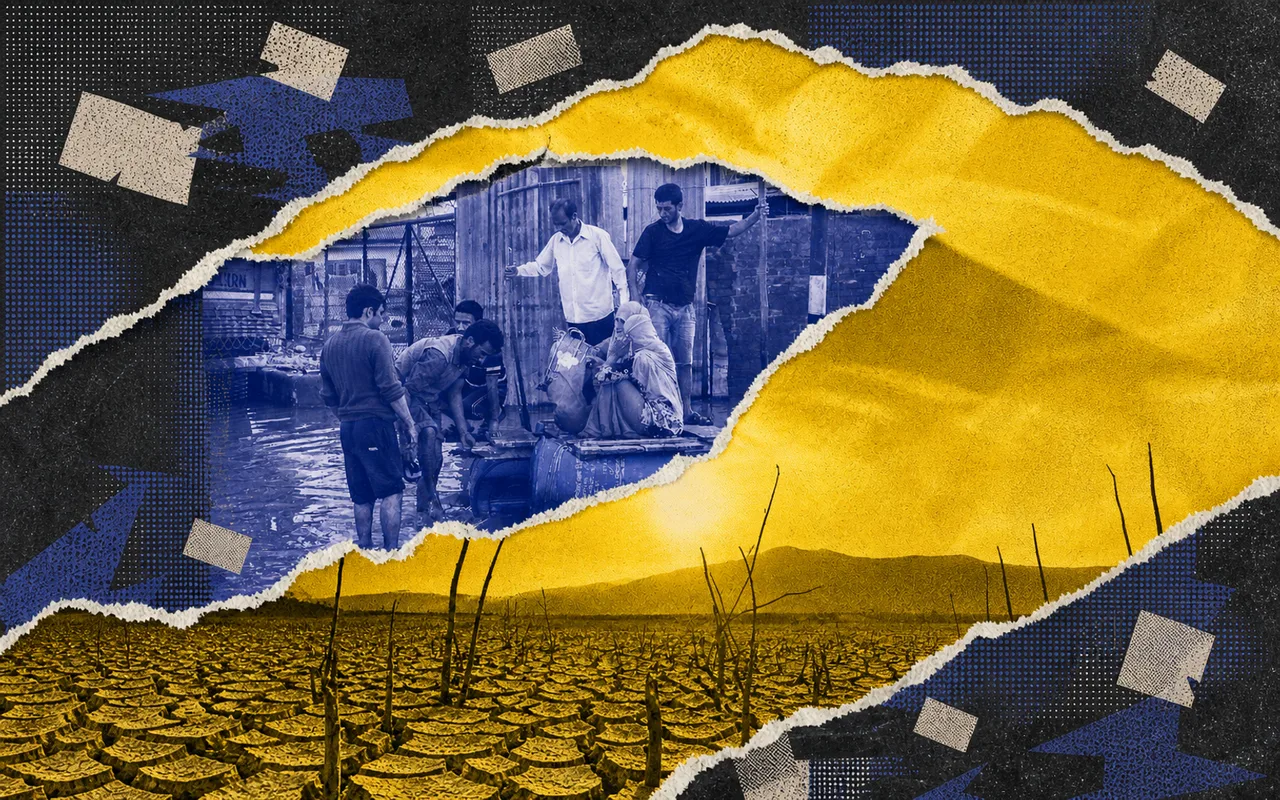
- The event is expected to reach its peak around the end of 2026, driving extreme heat, drought, and heavy precipitation across different regions.
- Unusually warm Pacific Ocean waters are driving the event, while supercharged global temperatures amplify its unpredictability.
- The Indian subcontinent is among the regions where below-normal seasonal rainfall and warmer temperatures are expected, though localized extreme events remain a severe threat.
- The WMO urges governments and vulnerable sectors to prepare early.
- Nepal’s ongoing flood crisis offers a stark example of the region’s growing climate risks, with a glacier-related flash flood killing more than 1,000 people and leaving thousands missing.
Context
El Niño is a natural climate pattern marked by unusually warm waters in the central and eastern tropical Pacific that alters global rainfall and temperature. Though it traditionally suppresses South Asian monsoon rains, its interaction with global heating now triggers severe micro-climate anomalies like intense rain bursts and atmospheric instability. The current event has strengthened faster than anticipated, with the WMO forecasting a very strong cycle persisting into 2027. Ultimately, its specific impacts will vary across regions depending on local topography and adjacent ocean basins.
Why it matters
Nepal's August 2026 glacial collapse along the Trishuli River highlights the lethal downstream risks of El Niño-driven climate disruptions. In the Himalayas, El Niño surges thermal stress and glacier melt while triggering concentrated, high-intensity rain bursts.
For downstream Bangladesh, these upstream deluges funnel catastrophic flash floods, heavy sediment, and debris into shared transboundary river basins. Simultaneously, El Niño’s erratic moisture shifts disrupt Bangladesh's broader seasonal monsoon patterns, heightening vulnerability to localized flooding and severe agricultural stress.
What we think
We must treat the WMO forecast and Nepal's catastrophic floods as an urgent warning: El Niño's regional dryness can still trigger severe, localized water disasters. To mitigate risks into 2027, we must prioritize transboundary data-sharing with Nepal and India, modernize river basin early-warning systems, and fortify agriculture against compounding droughts and flash floods.
While executing these preventive measures requires significant time, proactive investment now will cost far less than enduring unmitigated climate extremes, making immediate action imperative before it is too late.