
What If Bangladesh Introduced Iran’s Fuel Quota System?
Exploring whether Bangladesh could introduce Iran’s monthly fuel-quota system to keep subsidies for ordinary users while making heavy users pay more.

At a glance
- Iran is raising the price of gasoline for users who exceed 110 litres a month.
- The first 110 litres will remain under the existing quota prices, while fuel beyond that limit will become significantly more expensive.
- The policy is being introduced as Iran faces economic pressure from the war and US sanctions.
- While Bangladesh is already experiencing long fuel queues, rationing and supply pressure in 2026, if a similar system is introduced here, where ordinary users get a monthly subsidised fuel quota, with higher prices applied after the limit, it may reduce the amount of subsidy spent on heavy fuel users while protecting the basic needs of ordinary commuters.
Context
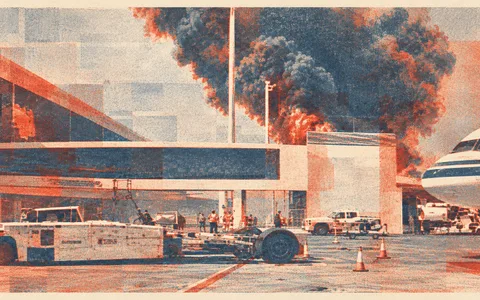
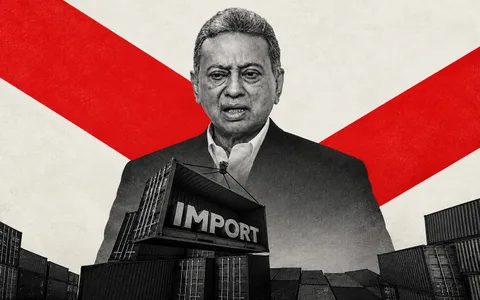
Iran is introducing a tiered fuel-pricing system in which the first 110 litres of gasoline remain at existing quota prices, while users requiring more fuel face higher prices. The move comes as the country faces severe economic pressure from war and US sanctions. Bangladesh imports around 95% of the petroleum products it consumes, primarily from Saudi Arabia and the UAE, making its national energy security highly vulnerable to global price shocks and shipping disruptions triggered by the war in Iran.
Why It Matters
Bangladesh is already seeing what fuel pressure can look like. In March and April, long queues stretched across Dhaka as motorists spent hours searching for petrol and octane, while some filling stations limited sales. The disruption led to a combination of supply pressure, panic buying and sudden increases in demand.
A similar fuel consumption system, where consumption beyond the basic quota is more expensive while the subsidy remains concentrated on ordinary consumption, may therefore help shift part of the burden towards the heaviest users rather than raising prices equally for everyone.
What We Think
For a country that has recently experienced both fuel shortages and high import costs, the idea of protecting basic fuel consumption while charging heavy users more is interesting. But its success depends on how it is designed and whether it gets accepted without creating a new crisis. Otherwise, a policy intended to save foreign currency may simply shift into public frustration.